
After the roller coaster that was September, I think we’re all reveling in the perfect temperatures and the drying trails and roads. Many underpasses were closed last week, and I had to re-route a couple of times, but the damage to the trails seems so far to be minimal. There are a few exceptions to this in Wilderness Park, where in the area north of Warlick on the west side some trails have been cut through or washed out. Our flood water management system is working though, and kept us from flooding, for the most part, where people live. I saw plenty of high water and high water marks along the Antelope Valley project and around Holmes Lake. Many of our trails do follow waterways, so we have to understand that those will flood from time to time, so you’d best know how to get around the flooded underpasses and trails.
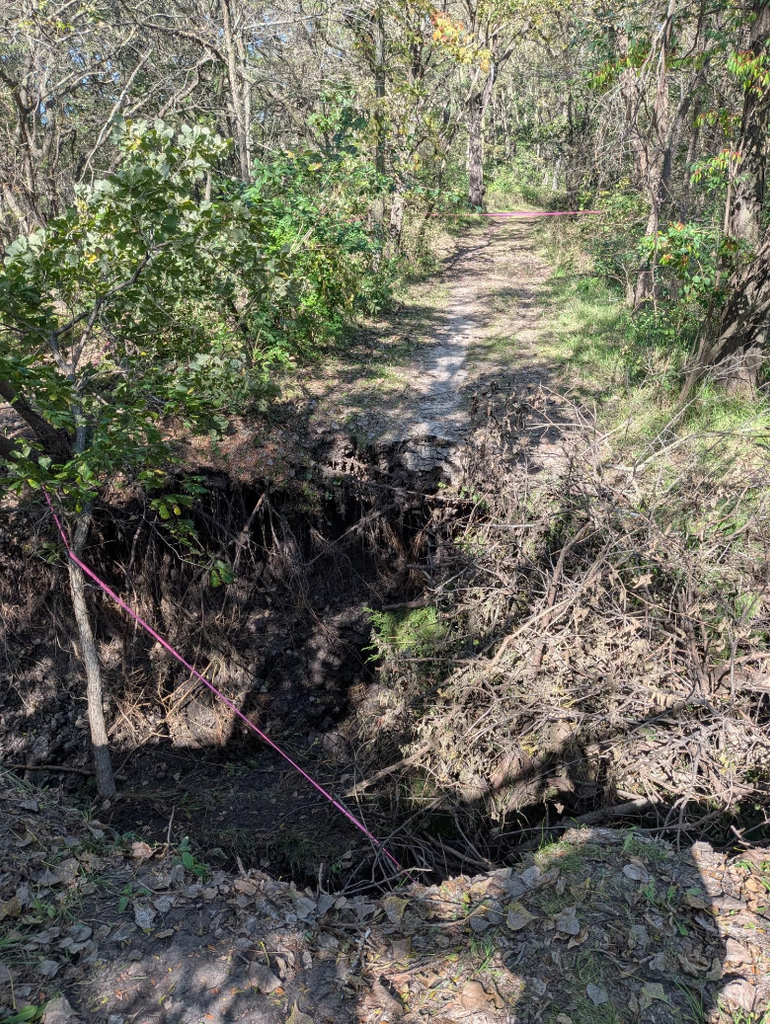
Back to our current perfect riding weather, who’s in the mood for some leaf peeping and a casual ride in and around Wilderness Park? Friends of Wilderness Park and BicycLincoln are planning a trail ride for Sunday afternoon, October 25th., at 1:00. Meet at the 14th St. entrance. We’ll try to have a cycling naturalist along to deepen our understanding of what we already enjoy. We’re planning on some dirt trails as well as some limestone, but the ride will be accessible to most skill levels and bikes. We can help with improving skills on the dirt trails for those without much experience riding them.
However, if you like distance, trail riding, and challenges, or know someone who does, on October 16th a group of diehards will be riding 100 miles of Wandering Wilderness Won-Hundred V. Riders roll out from the train wreck site at Jamaica trail and GPTN bridge at 7:30 and ride as many of the set route laps as they can, but must finish before sunset. There are 100 mile and 100 km options. These are the routes in livetracks and movemint, for Facebook and instagram. https://www.facebook.com/events/s/wandering-wilderness-won-hundr/2523220828150448/?rdid=VF1V3L9NRaibg0wy&share_url=https%3A%2F%2Fwww.facebook.com%2Fshare%2F19gYcfar6h%2F#, or https://www.movemint.com/events/www-v
This time of year is especially great for the foragers among us. This year however, has been strange in many ways, and it seems the wild plum harvest which should be in full swing, is not. Maybe too warm too soon and a frost that killed the buds maybe? If you look hard in protected areas, perhaps you can still find wild plums along some trails and roads, and they make great jams and jellies.
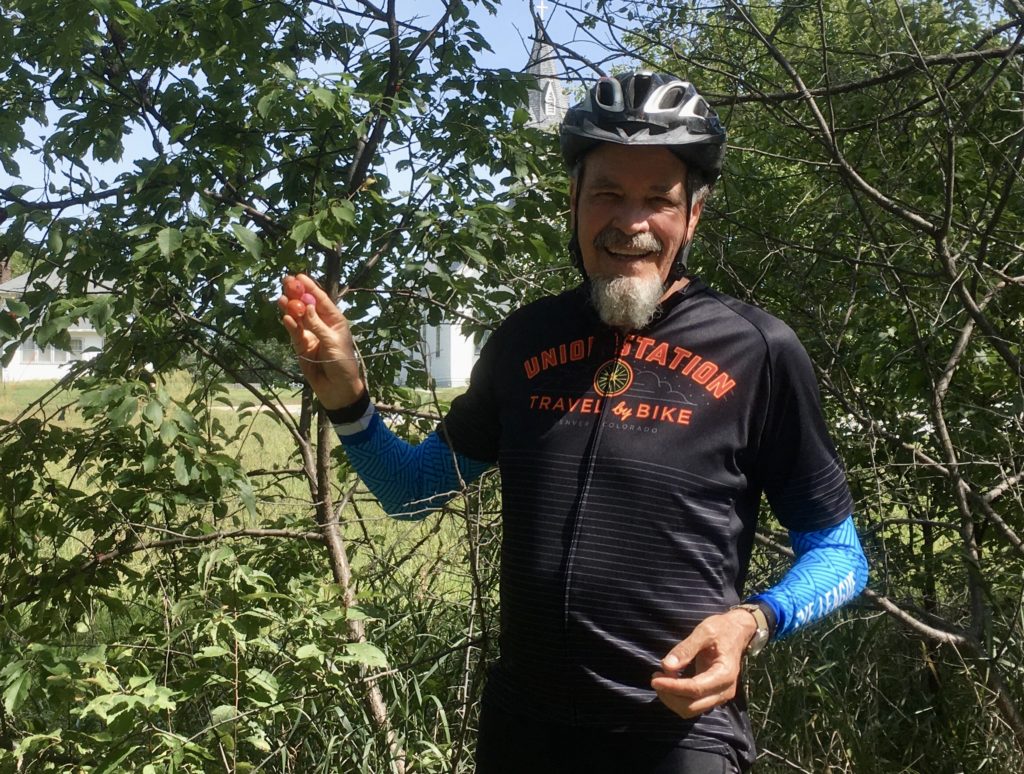
The wild plums are enjoyed by many, by the looks of the animal scat along the trails. You might find wild grapes, though apparently they have some look-a-likes, so you have check to be sure. Most of the berries, like the mulberries, raspberries, and gooseberries, were ripe in early summer.
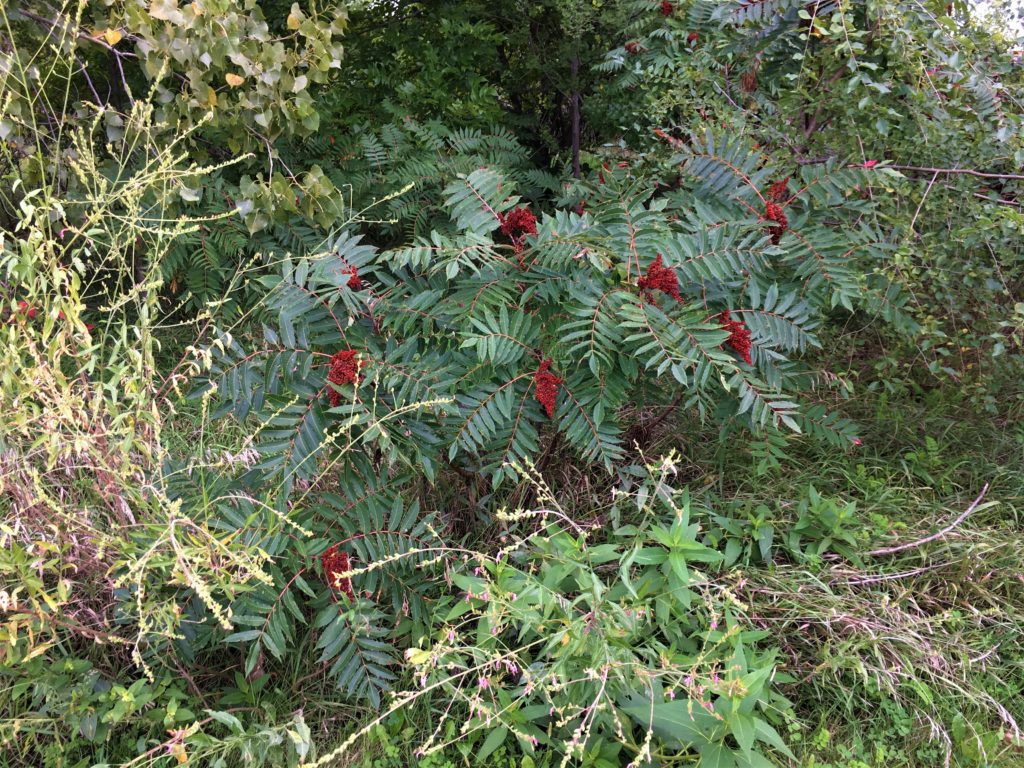
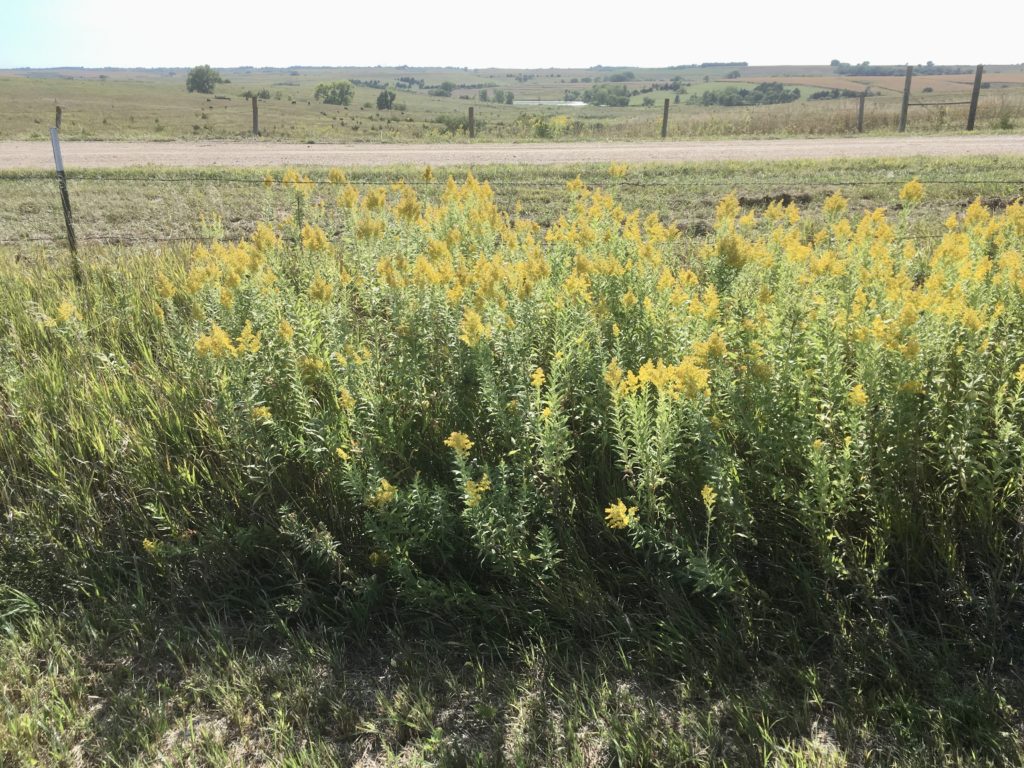
The elderberries were ready a few weeks ago, and are good for wine, syrup, and a cough remedy. Sumac, with it’s lemony sourness popular in middle eastern cuisine, is past it’s prime but still widely available and showing it’s beautiful fall colors. Goldenrod, maybe still blooming now, has many fine qualities as a tea and tincture and is not at fault for your allergies. Many of the plants we see along the way have medicinal properties, but you should do your research before trying to use any of them.
I sometimes see people from other cultures busily picking some kind of herb from a trail side and wonder what it is. Whatever it is, it’s tasty or somehow beneficial to someone who knows what to do with it. Many “weeds” we see are perfectly delicious when properly prepared. I enjoy lambsquarters, stinging nettles, purslane and dandelions in the spring, also daylilies and cat tails, of which all parts are edible at the proper time.
Coming on now should be black walnuts, though I think that late frost may have gotten some of them, from what I’ve seen, or haven’t seen, covering the trails. Once while riding the Steamboat Trace we picked up butternuts, which look like an egg-shaped black walnut. In that area of far southeastern Nebraska, you can even find paw paws and aronia berries that you don’t find in the wild as much around here.
Just don’t pick from areas that look like they might be sprayed, or that get a lot of road dust. There are several plant apps that can help you identify them using the camera on your phone, but I haven’t been impressed with the veracity what I’ve tried so far. If you’re looking for a way to spend more time outdoors and to get to know your surroundings more in depth, ride along the trails and try to learn the names of the plants. With a little study and a bag or two along, you might find a delicious new hobby. Just remember to be a considerate forager, don’t pick all of a thicket or plant. Leave some for the other users, animal or human.